Drive through Riverside, Redlands, or Murrieta after a Santa Ana wind event and you see it on every block: a faint beige film across stucco, oxidized streaks under gutters, and stubborn shadowy patches where irrigation overspray dried in the heat. The Inland Empire’s beauty comes with a price. Sun, dust, hard water, and alkaline soils leave their calling cards on every exterior surface. If you own a home here, you learn quickly that house washing isn’t cosmetic fluff. It preserves paint, safeguards stucco, and keeps HOA letters out of your mailbox.
I’ve washed hundreds of houses from Rancho Cucamonga to Temecula. Different neighborhoods, same forces at work. The desert light bakes organics into siding, calcium hardens into scale, and UV rays break down thin chalky layers in older paint. The good news: with the right methods, you can reset a home’s exterior without harming it. The better news: you don’t have to attack everything with a pressure lance. Most of the Inland Empire responds best to soft washing services, careful prep, and chemistry that https://gregoryqzks100.mystrikingly.com/ matches the stain.
What the Inland Sun Does to Your Home’s Exterior
Heat and aridity accelerate a series of small failures. Paint oxidizes, sealants dry and crack, and dust bonds to the chalk that forms on aging coatings. Stucco, a favorite in the IE for its durability and fire resistance, still picks up grime in its pores that doesn’t rinse off with a garden hose. Southwest exposures roast hardest, especially during July and August when siding temperatures can hit triple digits by midafternoon.
Add hard water into the mix. Our municipal water carries minerals that leave white spots on windows and siding, particularly near sprinkler zones and under eaves where wind pushes mist. Those spots are not just unsightly. Over time, mineral deposits can etch glass and degrade the sheen of painted surfaces. If you’ve ever tried to scrub a brownish sprinkler arc off a tan stucco wall, you know it can feel like trying to erase a pencil mark with a wet finger.
Then there’s organic growth. We don’t battle moss the way coastal communities do, but shaded north walls and areas near plantings can still harbor algae, black fungal staining, and the thin green haze that shows up after a wet winter. The Inland Empire got soaked in a few recent seasons, and the aftereffects linger long after the clouds leave.
Why Method Matters More Than Muscle
A high-pressure fan of water will clean a surface fast, no question. It also carves grooves into stucco, can force water behind vinyl laps, and leaves fuzzy-looking scars on wood. I’ve seen pressure-only jobs that looked great for a week, then flash-oxidized, leaving more chalking and striping than before. Soft washing solves those problems. Instead of blasting, you lay down a gentle, targeted solution that loosens the bond between the stain and the surface, then rinse at low pressure. Think of it like soaking a pan instead of scraping it with a knife.
Soft washing services differ by substrate and stain. That’s where experience shows. A safe dilution for mildew on a painted fascia won’t be the same for rust leaching from masonry, or for the orange tannin drip under a pergola. If you search house washing near me and click the first listing, ask what they’ll use on your specific stains. The best house washing companies explain their process in plain language. You should hear phrases like dwell time, neutralize, and low-pressure rinse, not just “we’ll blast it clean.”
Reading the Stain: What It Is, Why It Sticks, and How It Comes Off
Not every mark is dirt. The Inland Empire offers a full palette of trouble, and the fix changes by color and cause.
Brown or tan haze across stucco: Often a combination of dust embedded into chalking paint. A surfactant-rich detergent loosens soils, but you also need to address oxidation. On older paint, I test a tennis ball-sized patch with a mild oxidation remover. If the cloth comes back chalky, the rinse must be gentle and thorough to avoid tiger stripes.
White crust near sprinklers or under hose bibs: Mineral scale. Acids handle it, but that doesn’t mean a gallon of full-strength muriatic is your friend. For residential siding, a specialty descaler or light organic acid blend applied in short dwell periods prevents etching. Windows in these zones need extra care. Even a quick splash of acid can damage glass if not rinsed and neutralized.
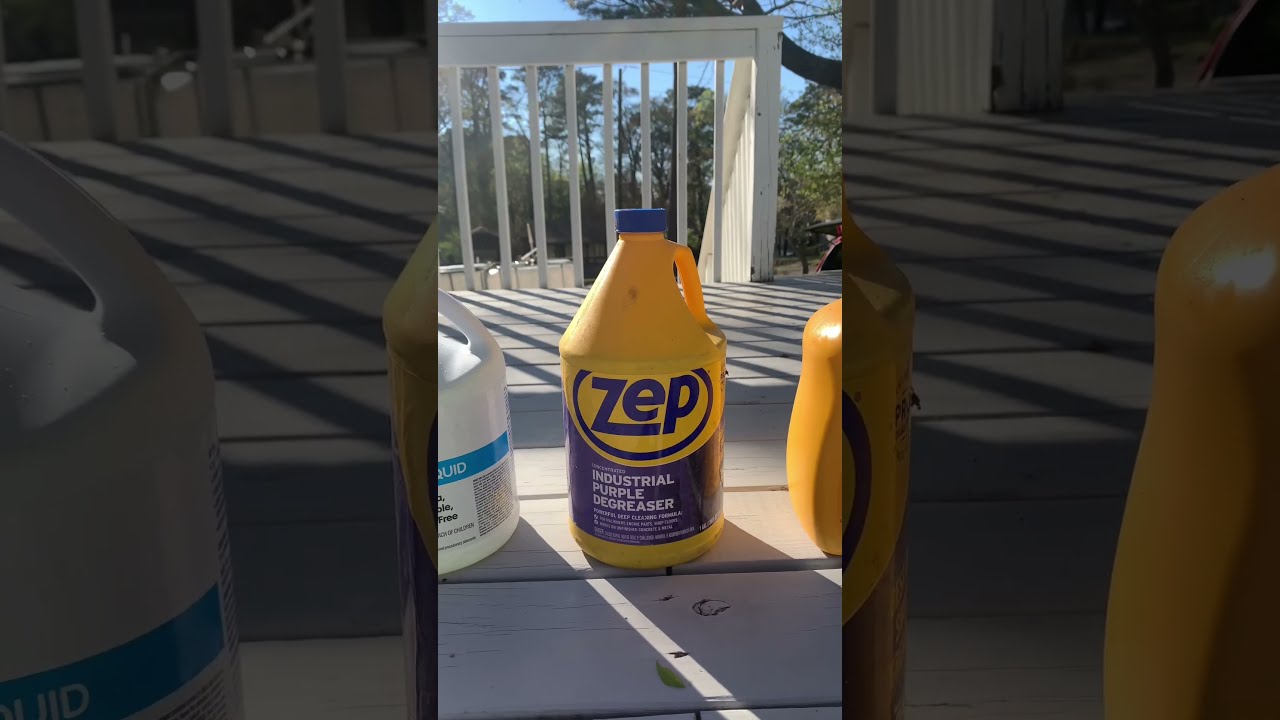
Black streaks under gutters and eaves: Oxidized aluminum from gutter faces combined with soot and run-off. A dedicated gutter brightener paired with soft agitation usually resets them. Plan for a two-pass approach if the streaks have been there for years.
Green film on shaded walls: Algae. Here the correct soft wash mix with sodium hypochlorite at a measured concentration, tempered with surfactants, does the heavy lifting. Keep landscaping wet before and after to protect leaves. Most green clears in minutes, but older colonies benefit from a light second application.
Rust freckles near sprinklers or metal fixtures: Irrigation iron or steel bleed. A rust-specific cleaner removes these without wrecking paint if you use the recommended dwell times and work in small zones. Rushing leads to halos or drip marks.
Sooty gray near busy streets: Traffic film. It looks like regular dirt but resists basic soap. A detergent with solvents and longer dwell breaks it down. On textured stucco, work from the bottom up to avoid streaking, then rinse top down.
The Inland Empire Rhythm: When and How Often to Wash
Seasonality matters out here. Spring brings wind and pollen, summer brings heat that sets stains like a kiln, and fall delivers more winds that funnel dust off the High Desert. If I had to pick, I like to wash late spring or early fall. Cooler mornings give you control over dwell times, plants recover faster, and the sun won’t flash-dry your mix before it can work.
Frequency depends on exposure and landscaping. Homes near open lots or new construction sites may need attention twice a year. Quiet cul-de-sacs with mature trees and well-tuned sprinklers can go 12 to 18 months between full washes, with occasional touch-ups on the north wall and around the garage.
HOA communities sometimes specify standards. I’ve had clients in Eastvale get notices after a single windy month. If you’re in an HOA, a light maintenance wash every year keeps letters at bay and resale curb appeal high.
Soft Washing vs. Pressure Washing: Picking the Right Tool
Soft wash: Low pressure, targeted chemistry, longer dwell, thorough rinse. Ideal for stucco, painted wood, Hardie, vinyl, and delicate trim. It removes organics, traffic film, and oxidation without scarring.
Pressure wash: Higher pressure, mechanical removal. Useful for concrete, pavers, and some masonry when you want to clear mud, weeds, and loose paint. Used on siding, it can blow water into cavities and raise the grain on wood.
Plenty of Inland Empire properties need both, applied separately in the right places. I’ll soft wash the walls and fascia, then switch to a surface cleaner on the driveway. It’s not either-or. The mistake is using driveway methods on your stucco.
A Real-World Walkthrough: From Dusty Beige to Clean and Even
A family in Menifee called me after they tried to DIY wash their stucco with a borrowed 3,000 PSI machine. The west wall looked zebra-striped, with pale bands where the nozzle passed close and darker patches between. They also had sprinkler arcs etched across the lower third of the wall and white freckling on two windows. Their HOA gave them 30 days to correct it.
I pre-soaked the landscaping, tested a gentle oxidation cleaner above the worst stripe, then laid down a soft washing solution from bottom to top to prevent streaking. On the mineral arcs, I followed with a careful application of a descaler, working in three-foot sections with a soft brush. Windows got a separate treatment. The entire process took just over three hours on a 2,100 square foot single-story. The stripes blended out, the arcs lifted to near-invisible, and the HOA signed off that week. They scheduled an annual maintenance wash for spring to avoid the same buildup.
Protecting Landscapes and Surfaces While You Work
Roses, citrus trees, and bougainvillea are part of the Inland Empire’s identity. They don’t love alkalinity or aggressive cleaners. Thorough pre-wetting creates a water film that dilutes any drift. During application, keep your spray pattern tight and watch the wind. Afterward, rinse leaves, mulch, and soil. If a job requires a stronger solution for tough organics, I’ll bring a neutralizer to follow the rinse, then water the area again. With this approach, I’ve watched hydrangeas perk up an hour after a wash rather than droop.
Surfaces need attention too. Old stucco can have hairline cracks. Avoid driving water into them. Electrical fixtures should be taped or covered. Oxidized aluminum and powder-coated rails benefit from test spots to check for fading. On new paint, I prefer extra-diluted solutions and shorter dwell to protect sheen, returning for a second pass if necessary. It takes longer, but it prevents dull patches.
Cost, Time, and What Drives Both
Most single-story Inland Empire homes fall between a few hundred dollars and the low thousands for a comprehensive exterior wash, depending on square footage, complexity, and level of staining. Heavily mineralized sprinkler zones add labor. So do high Tudor gables or tight side yards where ladders must be moved frequently. Two-story homes raise the time commitment and require poles and tips that keep pressure low even at height.
A straightforward 1,800 square foot single-story stucco house with standard trim usually takes two to four hours with a two-person crew. Add window treatments, rust removal, or gutter brightening, and you can tack on an hour or two. Most clients feel the difference immediately when they pull into the driveway. The color looks right again, edges pop, and everything reads as maintained rather than tired.
DIY vs. Hiring: A Clear-eyed Take
There’s honest satisfaction in rinsing away a season’s grime. If you have a well-maintained garden hose, an applicator, and the correct cleaners, you can handle light maintenance on reachable areas. Keep pressures low, respect the sun, and protect plants. Where homeowners get into trouble is using rental-grade pressure washers on delicate surfaces or mixing chemicals without measuring pH and active strength. I’ve also seen folks chase streaks with ever-closer nozzle passes, which only scars the surface.
Professionals bring proportioners, calibrated tips, tested chemistries, and ladder or lift experience. They should also carry insurance. If you’re searching house washing near me or soft washing near me, don’t just scan price. Ask about process, plant protection, and what they’ll do if a stain doesn’t move on the first pass. The best house washing companies will be upfront about what’s realistic, what needs multiple treatments, and where paint might be failing rather than dirty.
The Role of Water Quality and Sprinkler Setup
Irrigation overspray is the Inland Empire’s stealth vandal. A misaligned head can paint a faint arc across stucco every single morning. Left alone under summer sun, those arcs harden into scale that takes chemistry to remove. During a wash visit, I like to run the sprinklers and watch. Heads that spray toward the house get adjusted or swapped for matched-precipitation versions that keep water off the walls. It’s the cheapest long-term protection there is.
If you use a home softener, be mindful of discharge routes. Some systems backwash into areas that can splash during storms, leaving odd white trails on block walls or concrete. A plumber can redirect that line in an hour. Little things like this reduce how often you need exterior cleaning.
Choosing Inland Empire House Washing Pros With Good Judgment
Not all grime is equal, and not all pros treat it that way. A reputable provider of inland empire house washing will walk your property, identify stain types, and propose a plan by zone. They should talk about soft washing services as the default for siding and trim, with pressure reserved for hardscapes. Sample spots are a sign they care about your finish. So is a tidy truck with labeled containers, not mystery jugs.

Neighborhood familiarity helps. Companies that work in Corona’s hillside communities understand wind patterns and sun angles that differ from Palm Desert or Big Bear. If you’re evaluating, ask for nearby addresses where they’ve worked and how long results lasted. Real references beat slick flyers.

Maintenance Between Full Washes
You can extend a professional wash by treating small problems before they set. Keep gutters clear so dirty water doesn’t streak fascia during the first fall rain. Trim shrubs a foot away from walls to allow airflow and reduce green film in shade. Spot-rinse after pool parties if the splash zone covers a wall. After a wind event, a gentle hose-down of lower walls prevents dust from embedding into chalky paint.
If you notice the return of sprinkler arcs, fix the head angle within days. Every week you let it go makes the next removal harder.
A Simple Pre-service Prep That Helps Your Results
Here’s a short checklist that makes washing day smooth and safe:
- Close windows, clear the perimeter of furniture, and pull vehicles back so rinse water can drain freely. Turn off sprinkler cycles for 24 hours and let the provider run a test to adjust heads away from the house.
That’s it. Two steps that save half an hour on site and prevent hiccups.
What a Thoughtful Wash Feels Like Afterward
There’s a moment after the rinse when the sun catches a freshly cleaned stucco wall and you see the true color again. The home looks cared for, not just cleaned. The driveway lines feel sharper, the front door pops, and even landscaping looks richer against a brighter backdrop. You don’t need to repaint to get that effect. In many cases, clients delay painting by a year or two because soft washing lifts oxidation and restores uniformity.
Done right, house washing protects as much as it beautifies. It keeps water where it belongs, it reduces the strain on paint, and it stops small issues from looking like big neglect. It also gives you a chance to spot hairline cracks, peeling trim, or a misfiring sprinkler before they become repairs.
If You’re Ready to Start
Whether you’re searching house washing services for a full refresh, or soft washing near me for a careful touch on delicate trim, look for clarity and care in the conversation. Ask what they’ll do for your specific stains. Ask how they’ll shield your roses and citrus. Ask what the plan is if the weather shifts mid-visit. If a company can answer those questions without jargon, you’re likely in good hands.
The Inland Empire rewards homeowners who respect its elements. Wash on its terms. Work with the sun, not against it. Let chemistry do the heavy lifting and save the big pressure for concrete. Your home will stand up to the season’s dust and heat with less drama, and those HOA letters can find someone else to bother.
ABM Window Cleaning
6341 Pumalo Ct, Highland, CA 92346
(951) 312-1662
At ABM Window Cleaning, we don’t just soft wash homes—we brighten lives.
From homes to businesses, we bring light back into your spaces, whether through sparkling windows, clean gutters, or solar panels working at their best.
Our work is about more than clean surfaces; it’s about how you feel when you see them shine.
Every day, we’re grateful for the chance to serve, and we can’t wait to bring that brightness to you.